
Few Indian snacks have travelled as successfully across borders as the traditional samosa. In Canada, this golden, triangular pastry has become increasingly familiar, appearing at Indian restaurants, South Asian grocery stores, community celebrations, family gatherings, office events, and casual tea breaks. Its popularity reflects more than a love for crispy, spicy food.
The samosa represents the way traditional Indian flavours have found a place within Canada’s multicultural food landscape. From its historical journey across continents to its modern presence in Canadian cities such as Calgary, Toronto, Vancouver, and Edmonton, the samosa continues to evolve while retaining the qualities that made it special in the first place.
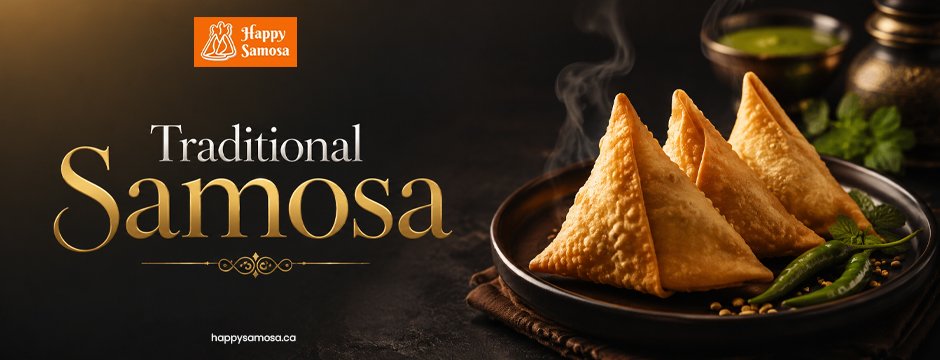
Where Did the Traditional Samosa Come From?
Although the samosa is strongly associated with India today, its earliest history extends beyond the Indian subcontinent. Versions of stuffed pastries resembling the samosa appeared across Central Asia, Persia, and the Middle East centuries ago. Travellers, merchants, and cooks helped carry these foods along important trade routes. Early samosa-like pastries were often filled with ingredients such as minced meat, onions, nuts, and aromatic spices.
Their compact size made them practical for travellers and soldiers who needed food that could be prepared ahead of time and transported easily. When this culinary tradition reached the Indian subcontinent, it encountered an entirely different range of ingredients, cooking techniques, and regional preferences. Indian cooks gradually adapted the pastry, creating versions that suited local tastes. The result was not simply an imported food. It became part of India’s own culinary identity.
How the Samosa Became an Indian Favourite
Over generations, the samosa evolved considerably in India. One of the biggest changes was the popularity of vegetarian fillings, particularly spiced potatoes and peas. Indian spices transformed the filling into something distinctly different. Cumin, coriander, ginger, green chilli, garam masala, and other spices could be combined with potatoes and vegetables to create a filling that was aromatic, savoury, and satisfying.
The samosa’s triangular shape, crispy exterior, and soft filling gave it a combination of textures that appealed to a wide range of people. It was also relatively inexpensive and easy to serve, helping it move from elite kitchens into everyday food culture. Eventually, samosas became closely associated with Indian street food and tea-time snacking.
From Indian Streets to Canadian Cities
The samosa’s journey did not stop in India. As South Asian communities established themselves across Canada, they brought their culinary traditions with them. Indian and South Asian food has become an important part of Canada’s increasingly diverse food culture. Today, Canadians can find familiar Indian dishes alongside cuisines from virtually every part of the world.
The samosa fits naturally into this environment. It is portable, easy to share, suitable for gatherings, and familiar enough for newcomers to Indian cuisine to try without feeling overwhelmed. For South Asian Canadians, meanwhile, it can provide a comforting connection to familiar flavours and traditions. This combination of accessibility and cultural significance has helped the samosa establish itself as more than a niche ethnic food.
Why Canadians Love Samosas
Several qualities make the samosa particularly well suited to Canadian food culture.
A Convenient Snack
Canada’s busy lifestyle makes convenient foods especially appealing. A samosa can work as a quick snack, an appetiser, or part of a larger meal. It can be enjoyed during a lunch break, served to guests, or included on a party platter. Its handheld format also makes it easy to serve at informal gatherings.
A Food for Sharing
Samosas are rarely limited to one person. They are commonly ordered in quantities and placed on a shared platter. That makes them particularly suitable for Canadian social occasions, including birthday parties, family gatherings, community events, office celebrations, and cultural festivals.
The act of sharing food is an important part of the samosa experience. One person may prefer a classic vegetable filling while another may reach for a spicier or meat-based option.
Familiar Yet Different
For people who grew up eating Indian food, a samosa can evoke memories of home, festivals, school days, family gatherings, and evening chai.
For Canadians discovering Indian cuisine for the first time, it offers an approachable introduction to Indian spices and flavours. That ability to appeal to both familiar and new audiences has helped the samosa cross cultural boundaries.
Samosas and Canada’s Multicultural Food Scene
Canada is known for its multicultural communities, and food plays an important role in cultural exchange. In cities with large South Asian populations, Indian restaurants and food businesses have helped introduce traditional dishes to a wider audience. The best frozen samosas are often among the first Indian snacks people encounter because they are relatively simple to understand: a crispy pastry surrounds a flavorful filling.
But the experience can go much further. Once someone discovers the traditional potato-and-pea samosa, they may become interested in paneer, chaat, pakoras, biryani, curries, masala chai, and other Indian dishes. In this way, the samosa can act as an introduction to a much broader culinary tradition.
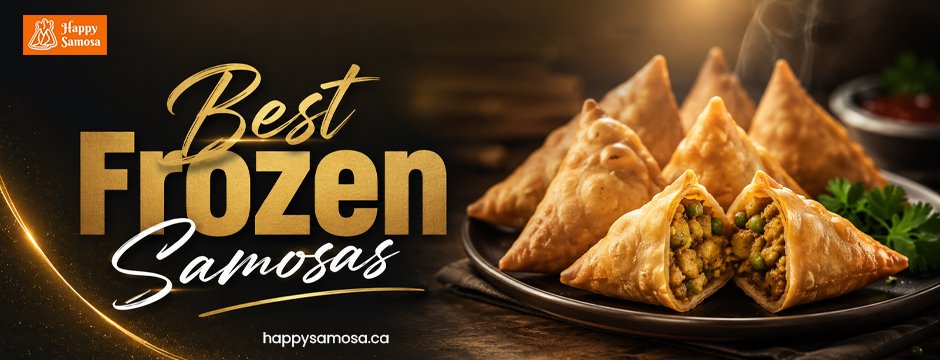
The Traditional Samosa Meets Canadian Tastes
One of the most interesting aspects of the samosa’s Canadian journey is how it continues to adapt. While the classic vegetable samosa remains a favourite, modern versions can feature paneer, chicken, different vegetables, stronger spice profiles, and fusion-inspired fillings. This flexibility is one reason the samosa has remained relevant.
In Calgary and other Canadian cities, restaurants and food businesses are experimenting with the familiar pastry while retaining its essential character. Happy Samosa, for example, lists varieties including classic, spicy, veggie fiesta, masala, paneer, shahi paneer, butter chicken, and BBQ chicken. These variations demonstrate how a traditional food can remain recognisable while responding to contemporary preferences.
Samosas at Canadian Celebrations
Samosas have become particularly useful for events because they can be prepared and served in quantities. Imagine a family gathering in Calgary where guests from different backgrounds come together. A platter of crispy samosas can easily sit alongside Canadian favourites and other international foods.
The same applies to office parties, community events, potlucks, cultural celebrations, and festive occasions. Their versatility makes them suitable for vegetarian and non-vegetarian guests, while different fillings allow hosts to offer variety without completely changing the format of the food. For many South Asian Canadians, serving samosas during celebrations can also preserve an important connection with family traditions.
The Importance of Chutney
A samosa is often judged by more than its pastry and filling. The accompanying chutney can completely change the experience. Mint chutney adds freshness and herbal flavour, while tamarind chutney provides a sweet and tangy contrast. Combining crispy pastry, spiced filling, and chutney creates a balance between heat, acidity, sweetness, and texture.
This makes the samosa particularly enjoyable as a snack or appetiser. For Canadians who are new to Indian food, chutneys can also introduce another layer of Indian flavour without requiring an entirely different dish.
Traditional Samosa vs. Modern Samosa
The traditional samosa remains popular because it delivers a familiar combination: crisp pastry, spiced filling, and satisfying texture. Modern versions, however, demonstrate that tradition does not have to mean staying unchanged. A butter chicken samosa, for example, combines a widely recognised Indian curry with the familiar pastry format. Paneer and shahi paneer versions bring creamy textures to the snack, while BBQ chicken introduces a more contemporary flavour profile.
These combinations can be especially appealing in Canada, where different culinary traditions regularly influence one another. The samosa’s ability to absorb new influences without losing its recognisable identity is one of the reasons it has survived and thrived.
The Samosa as a Symbol of Cultural Connection
Perhaps the most meaningful reason behind the samosa’s popularity in Canada is its ability to connect people. For South Asian families, it can represent heritage and nostalgia. For other Canadians, it can represent discovery and curiosity. For restaurants and food businesses, it provides an opportunity to introduce traditional Indian flavours to a broader audience.
Food often travels farther than language or customs. A simple snack can create a conversation between cultures. The samosa demonstrates this beautifully. Its journey began outside India, it became deeply associated with Indian cuisine, and it has now found a comfortable place within Canada’s multicultural food landscape.
The Future of the Samosa in Canada
The Canadian samosa is unlikely to remain the same—and that is part of its appeal. Traditional recipes will continue to be valued, while chefs and food businesses will experiment with new fillings, presentation styles, pairings, and serving formats.
The growing interest in Indian street food also creates opportunities for dishes such as samosa chaat and samosa bowls. In Calgary, for example, modern samosa bowls combine crispy samosas with curries, yoghurt, chutneys, and other toppings, creating a more substantial interpretation of the traditional snack. This evolution shows that traditional foods can remain culturally meaningful while adapting to modern lifestyles.
Final Notes
The traditional samosa has travelled an extraordinary distance—from its early roots across Central and West Asia to the streets of India and eventually to multicultural communities throughout Canada. Its success comes from its simplicity, versatility, affordability, and ability to bring people together.
For those in Canada looking to explore different takes on this beloved snack, Happy Samosa offers a variety of samosas, including classic, spicy, masala, veggie, paneer, shahi paneer, butter chicken, and BBQ chicken options. Our Calgary-based menu provides an opportunity to experience familiar Indian-inspired flavours alongside contemporary variations.