
Few snacks have the charm and comfort of a vegetables samosa. Its crispy outer layer and soft, spiced filling make it a favorite for generations. People enjoy it at tea time, family gatherings, and festive celebrations. Every bite offers warmth, nostalgia, and a burst of flavor that is hard to resist.
The vegetable samosa is more than just a snack; it is a connection to tradition and culture. Its popularity has endured because it appeals to all ages, is vegetarian-friendly, and can be enjoyed anytime. Over the years, it has remained a staple in households and street food stalls alike. Its simple yet satisfying combination of textures and spices keeps people coming back. In this blog, we explore the origins, secret ingredients, regional variations, health benefits, and modern adaptations of the vegetable samosa, highlighting why it never goes out of style.
A Bite of History: Tracing the Origins of the Vegetable Samosa
The samosa has a rich history. Originating in the Middle East and Central Asia, it traveled to India centuries ago. Initially, samosas were meat-filled. Over time, vegetarian versions became popular, especially in India. The vegetable samosa became a staple in households and street food stalls.
Samosas were more than just a snack; they symbolized hospitality and celebration. Families prepared them during festivals, tea times, and gatherings. Over generations, recipes were passed down, making each vegetable samosa a blend of tradition and personal touch.
Furthermore, the snack crossed borders, influencing cuisines worldwide. Today, it is a beloved treat in homes, restaurants, and frozen snack aisles. Yet, its essence remains unchanged: a crispy shell wrapped around spiced, wholesome vegetables.
Why Vegetable Samosas Are a Timeless Classic
The vegetables samosa is timeless because it appeals to everyone. Its vegetarian filling makes it accessible to most people. It is also versatile: you can enjoy it as a snack, appetizer, or part of a meal.
Moreover, the combination of crispy pastry and flavorful filling is universally satisfying. Each bite provides a balance of textures and spices. Families love it for its comfort factor, while street vendors sell it for its simplicity and popularity.
In addition, the vegetable samosa is budget-friendly, easy to make, and adaptable. You can adjust the spices, filling, and cooking method to suit preferences. Its timelessness comes from a perfect mix of taste, tradition, and convenience.
The Secret Ingredients and Techniques Behind Perfect Traditional Veggie Samosas
The magic of a vegetable samosa lies in its ingredients and preparation. Fresh vegetables such as potatoes, peas, carrots, and beans create a wholesome filling. The spice blend is crucial, often called traditional samosa spice mix. It includes cumin, coriander, turmeric, garam masala, and chili for balanced heat and aroma.
Dough preparation is equally important. Kneading the dough correctly, letting it rest, and rolling it thin ensures a flaky, crispy shell. Folding and sealing the samosa properly keeps the filling intact during frying.
Frying technique also makes a difference. Oil temperature must be just right—too hot, and the outside burns; too low, and it becomes soggy. A golden, crisp shell signals a perfect vegetable samosa.
For homemade samosas, it’s important to balance spices and moisture. The filling should be flavorful but not watery. Recipes like the perfect samosa filling recipe help achieve this harmony. When done correctly, the samosa is crunchy outside, tender inside, and bursting with traditional flavors.
Regional Variations of Vegetable Samosas
Across India, vegetables samosa takes on regional forms. In North India, the pastry is thick, crisp, and the filling mildly spiced. South Indian samosas may have thinner pastry and a slightly tangier filling.
In addition, fillings vary by region. Some use more peas and carrots, while others add beans or paneer. Street food stalls sometimes add unique twists like cheese or potatoes with chili. Despite these differences, the core idea remains: a crispy pastry holding spiced vegetables.
These regional variations keep the vegetable samosa exciting. Each style reflects local tastes and cooking methods while preserving tradition. No matter where you go, biting into a samosa evokes comfort and nostalgia.
Veggie Samosas as a Smart Snack Choice
Unlike many snacks, vegetable samosas can be nutritious. It contains a variety of vegetables providing fiber, vitamins, and minerals. Peas, carrots, and beans are low in calories yet high in taste.
Baking instead of frying is a modern twist to make it lighter while retaining the crisp texture. Homemade versions avoid preservatives, unlike some store-bought snacks.
Furthermore, the samosa fits vegetarian and even vegan diets. By using quality oil and fresh ingredients, it becomes a smart snack choice. Its balance of flavor and nutrition ensures it remains a favorite in classic Indian snack recipes.
Pairing Perfection: What Goes Best With Vegetable Samosas
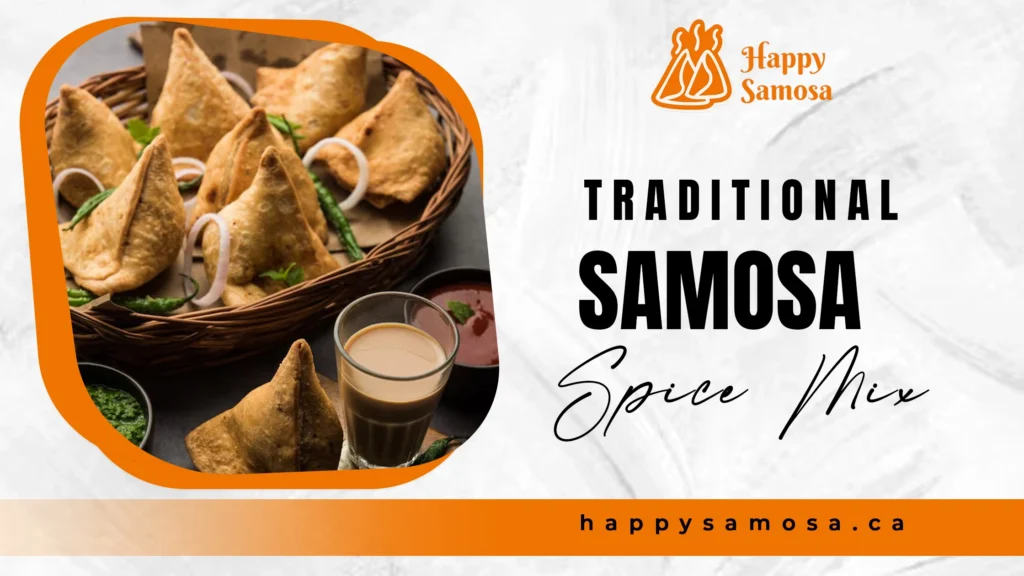
Vegetables samosa pairs wonderfully with chutneys. Mint chutney adds freshness, tamarind chutney provides sweetness, spicy green chutney adds heat, and yogurt sauce balances spices.
Additionally, tea or lassi complements the snack. For parties, serve samosas with multiple dips to elevate taste. Even simple meals feel festive when paired with chutneys.
Perfect pairings enhance the experience of eating a vegetable samosa, making it more than a snack—an event for the taste buds.
Vegetable Samosas in Modern Cuisine
Modern chefs experiment with vegetable samosas by adding fusion flavors like corn, cheese, or international spices. Frozen samosas allow busy families to enjoy traditional taste conveniently.
Despite innovations, the authentic touch remains. Homemade versions or restaurant offerings preserve the essence. People enjoy authentic homemade samosas at home, connecting with tradition without extra effort.
Even with modern adaptations, the crispy pastry and spiced vegetable filling keep vegetables samosa relevant and loved worldwide.
Why People Keep Coming Back for Veggie Samosas
Families share memories of tea times, festivals, and gatherings with vegetable samosas. Nostalgia plays a big role—taste triggers memories.
Many immigrants crave it as a reminder of home. Parties and events often feature it as the first snack to disappear.
Stories like these highlight the emotional connection people have with a vegetable samosa. It is comfort, tradition, and joy all in one bite.
Conclusion
The vegetables samosa is a timeless snack that combines tradition, flavor, and comfort in every bite. Its crisp pastry, spiced vegetable filling, and cultural significance make it a favorite for families and food lovers alike. From traditional recipes to modern variations, it continues to delight taste buds around the world. Whether you want to enjoy a homemade treat or a ready-to-eat snack, Happy Samosa brings the authentic taste of tradition to your table. Don’t wait—order your favorite samosas today and experience the joy, warmth, and nostalgia that only a perfectly made vegetable samosa can provide.