
A perfectly made Vegetables Samosa is more than just a snack—it is a delightful combination of crisp, flaky pastry and a flavorful, spiced filling that has won hearts around the world. Whether served as an appetiser, afternoon tea companion, or party favourite, a great samosa delivers the ideal balance of crunch and savoury goodness.
While making samosas at home may seem challenging, a few expert techniques can help you achieve bakery-style results every time. From selecting the right ingredients to mastering the frying process, here are the secrets behind creating irresistibly golden, flaky vegetable samosas that everyone will love.
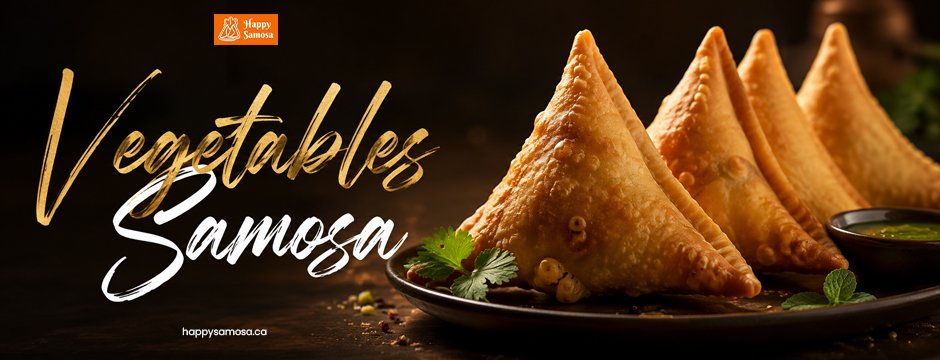
Why the Perfect Samosa Starts with the Dough?
Many people believe the filling is the most important part of a vegetable samosa, but the dough plays an equally significant role. A properly prepared dough creates the crispy layers that make every bite satisfying.
For the best results:
- Use all-purpose flour for a light yet sturdy shell.
- Add enough oil or ghee while mixing to create a crumbly texture before adding water.
- Use cold or room-temperature water instead of warm water.
- Knead only until the dough comes together. Over-kneading develops gluten, making the shell chewy rather than flaky.
- Allow the dough to rest for at least 30 minutes before rolling.
Resting helps relax the gluten, making the pastry easier to shape and improving the final texture.
Choosing Fresh Vegetables for Maximum Flavour
The filling should be flavorful without becoming watery.
Classic Vegetables Samosa ingredients include:
- Potatoes
- Green peas
- Carrots
- Sweet corn
- Green beans
- Fresh cilantro
- Green chilies
- Ginger
Cook vegetables until tender but not mushy. Excess moisture can soften the pastry during frying.
Adding fresh herbs at the end keeps the filling vibrant and aromatic.
Balance Your Spices Carefully
A delicious vegetable samosa relies on balanced seasoning rather than overwhelming heat.
Common spices include:
- Cumin seeds
- Coriander powder
- Turmeric
- Garam masala
- Red chilli powder
- Fennel seeds
- Dry mango powder (amchur)
- Chaat masala
Roasting whole spices briefly before mixing enhances their aroma and creates deeper flavour.
Keep the Filling Dry
One of the biggest reasons samosas become soggy is excessive moisture.
To prevent this:
- Drain boiled potatoes completely.
- Cook vegetables until excess water evaporates.
- Avoid adding too much oil.
- Let the filling cool completely before assembling.
Warm filling creates steam that softens the pastry from the inside.
Roll the Dough Evenly
The thickness of the pastry determines how crispy your samosas become.
Aim for:
- Neither too thin nor too thick
- Approximately 1–2 mm thickness
- Uniform rolling across the surface
Uneven dough cooks inconsistently, leaving some sections undercooked while others become overly crisp.
Seal Every Edge Properly
Proper sealing prevents the filling from leaking during frying.
A simple flour-and-water paste works well as edible glue.
Ensure:
- The cone is tightly formed.
- Air pockets are removed.
- Edges are firmly pressed together.
Well-sealed samosas also maintain their attractive triangular shape.
Fry Low and Slow
Professional-quality samosas are rarely cooked over high heat.
Instead:
- Heat oil to a moderate temperature.
- Add samosas gently.
- Reduce the heat slightly.
- Fry slowly until golden brown.
Low-temperature frying allows moisture inside the dough to escape gradually, creating beautiful flaky layers.
High heat quickly browns the outside while leaving the pastry undercooked.
Avoid Overcrowding the Pan
Frying too many samosas at once lowers the oil temperature.
This causes:
- Greasy pastry
- Uneven browning
- Reduced crispiness
Cook in small batches to maintain consistent oil temperature.
Let Them Drain Properly
Once fried, place the veggie samosas on:
- Wire racks
- Paper towels
Allowing excess oil to drain keeps them lighter and crunchier.
Avoid stacking freshly fried samosas immediately, as trapped steam softens the crust.
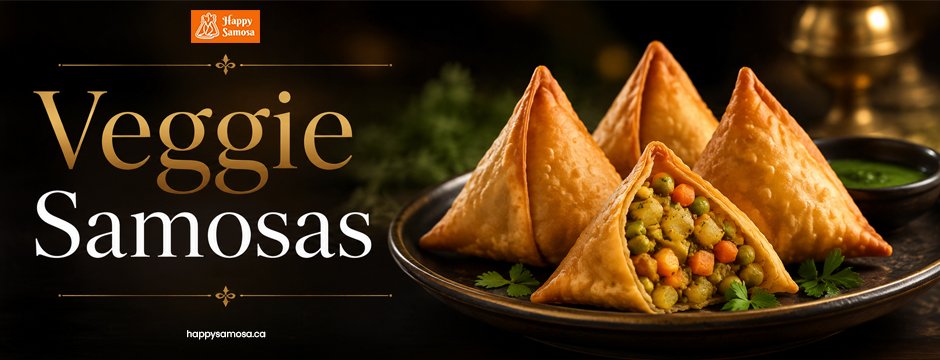
Baking and Air Frying Alternatives
If you prefer lighter cooking methods, both baking and air frying can produce delicious vegetable samosas.
Baking Tips
- Brush lightly with oil.
- Bake at around 375–400°F.
- Flip halfway through cooking.
Air Frying Tips
- Spray lightly with cooking oil.
- Cook until evenly golden.
- Turn halfway for even crispness.
Although deep frying offers the most authentic texture, these alternatives still provide satisfying crunch.
Creative Vegetable Filling Ideas
Traditional potato filling is always popular, but experimenting with vegetables creates exciting variations.
Consider combinations like:
- Spinach and paneer
- Mixed vegetables with cheese
- Mushroom and peas
- Sweet potato and corn
- Chickpeas with potatoes
- Broccoli and carrots
These fillings provide new flavours while maintaining the beloved samosa experience.
Perfect Dipping Sauces
A great traditional samosa becomes even better with complementary sauces.
Popular choices include:
- Mint chutney
- Tamarind chutney
- Garlic yoghurt dip
- Mango chutney
- Cilantro chutney
- Spicy tomato sauce
Offering multiple dips allows guests to customise every bite.

Common Mistakes to Avoid
Even experienced cooks occasionally make mistakes.
Watch out for:
- Over-kneading the dough
- Rolling too thin
- Wet filling
- Frying at high temperatures
- Overcrowding the pan
- Skipping resting time
- Filling while ingredients are still hot
Avoiding these common issues dramatically improves texture and flavour.
Serving Ideas
Vegetable samosas are incredibly versatile and fit almost any occasion.
Serve them:
- During afternoon tea
- At family gatherings
- As party appetisers
- Alongside Indian curries
- With fresh salads
- As street-food-style chaat topped with yoghurt, chutneys, onions, and sev
Their crispy texture and comforting filling make them suitable for casual snacks and festive celebrations alike.
Storing and Reheating
If you have leftovers:
Refrigerate
Store in an airtight container for up to three days.
Freeze
Uncooked samosas freeze beautifully for several weeks.
Reheat
For maximum crispness:
- Oven
- Air fryer
Avoid microwaving whenever possible, as it softens the pastry.
Final Notes
Mastering the art of golden, flaky Vegetables Samosa comes down to attention to detail—from preparing the perfect dough and well-seasoned filling to frying patiently at the right temperature. These small techniques transform an ordinary snack into an unforgettable culinary experience with every crispy bite.
If you’re craving expertly crafted samosas without the work, explore the delicious and innovative offerings at Happy Samosa. Our signature samosa bowls combine crispy handcrafted samosas with rich curries, fresh toppings, and bold flavours for a satisfying meal that’s perfect for any occasion.